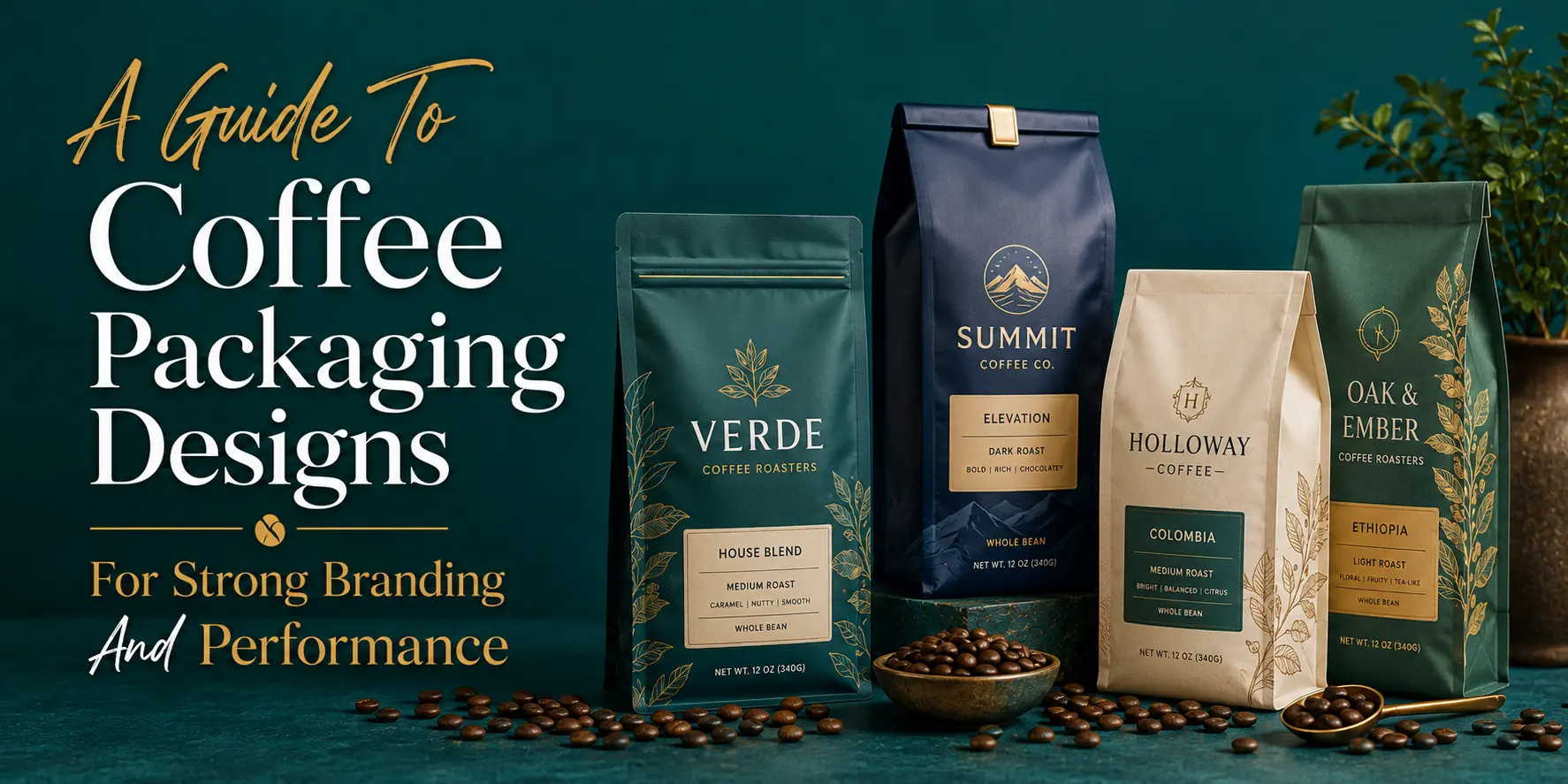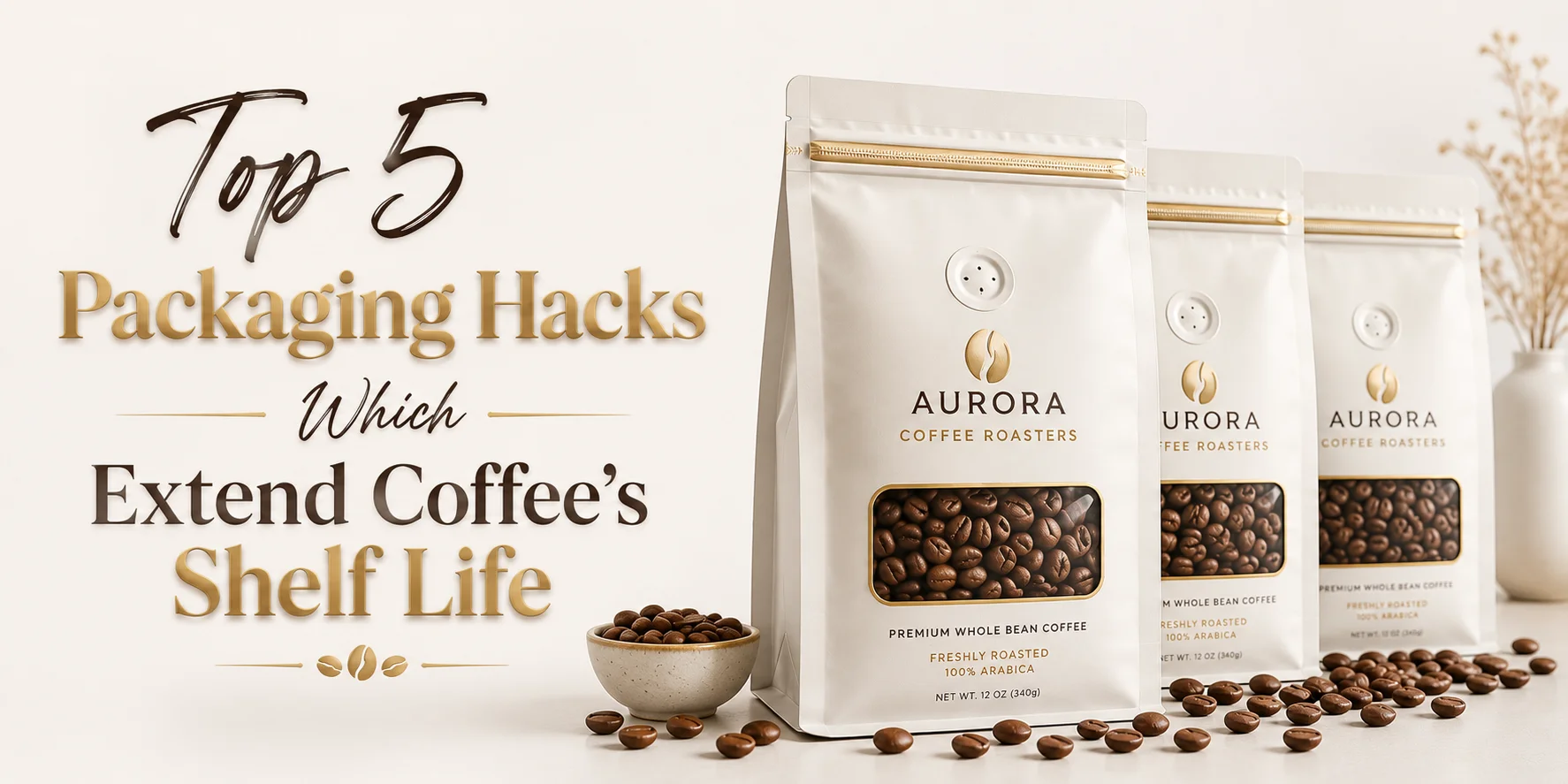
Coffee packaging has been at the forefront of modernisation and creativity for coffee brands. With the passage of time, we have noticed innovation in the choice of materials, barrier technologies, design aesthetics and much more. From Spot UV coatings to high gloss and matte finishes, our coffee pouches carry all hints of luxury and high-end packaging. However, one thing which hasn’t been paid the attention it deserves, is the challenge of coffee losing its nuanced taste and freshness prematurely.
Once the coffee is roasted, it is natural for coffee to lose aroma and flavor. This can be restricted by using the right coffee packaging. This is the reason we see many shoppers judging the quality of coffee by its bag because coffee bags have a key role in preserving the flavor and texture of the coffee. An excellent coffee bag style or material alone cannot guarantee high-quality packaging, there are few other major coffee bag components which contribute to it.
Hence, this blog will present you with powerful strategies to maintain the freshness, flavor and integrity of the original coffee along with maintaining compelling aesthetics. These tips will guarantee a coffee experience which makes each brew memorable and satisfying.
Understanding The Factors Which Affect Coffee
Coffee staling can be caused due to multiple reasons, the major ones include Oxygen, Light, Humidity/Moisture and Gas Release.
When coffee beans are roasted, they release Carbon dioxide. At the same time, Oxygen in the coffee bag can result in oxidation which can affect the overall aroma of the coffee. Additionally, moisture in the coffee pouches can cause sogginess of the coffee thus ruining the texture and taste of the coffee beans and grounds. Exposure to sunlight and extreme temperature can also result in chemical interaction resulting in altering the overall quality of coffee.
One Way Degassing Valve
As we are all aware, fresh coffee keeps releasing gas after being roasted. If this gas is being released inside the coffee packaging, it can cause the coffee bag to swell or explode due to trapped CO2.
A one way degassing valve is incorporated into the high-end coffee packaging to avoid this risk. The degassing valve allows CO2 to leave the coffee bag while ensuring Oxygen doesn’t enter, hence avoiding the risk of oxidation. It makes sure that internal conditions of the coffee bag remain stable. It prevents pressure and ensures that coffee taste stays unaltered. Coffee brands and businesses who sell high-quality freshly roasted beans, this component is integral.
Multi Layer Barrier Structure
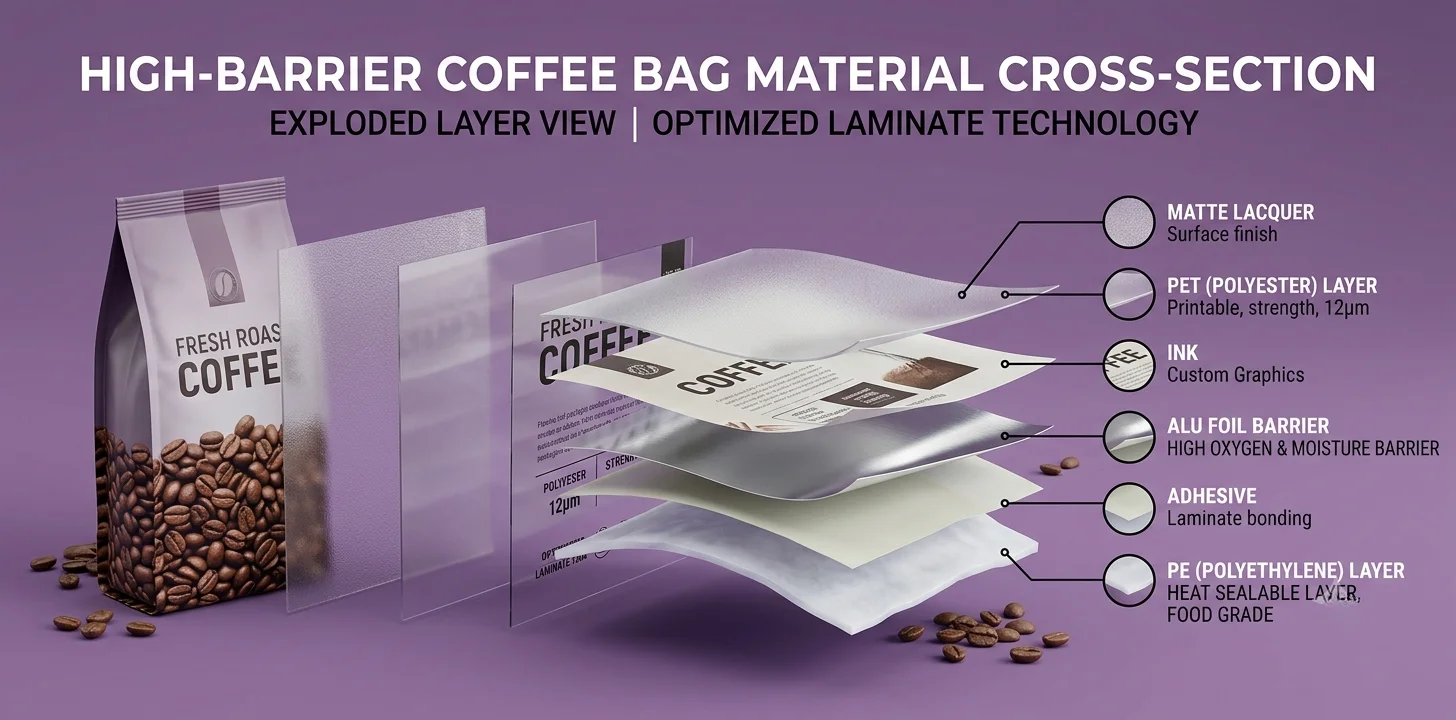
The outer layer of the coffee bag is really important for aesthetics and high quality printing but the inner layer is also equally important to maintain the original taste, aroma and complexity of the coffee. In premium coffee bags, high barrier lamination is provided using multiple linings. Each of these linings have their own functions. One layer prevents oxygen, another layer halts moisture. Another restricts light exposure.
These linings are usually made up of aluminium foil, PET, PE, metallized films etc due to their excellent barrier performance.Foil-line coffee packaging blocks light thus retaining the flavor agents. These layers are crucial because without them the coffee exposure to air and external factors will be much rapid and quick. To make it easier for you, always remember that the low oxygen and humidity in the coffee package means longer life of coffee and better flavor.
Resealable Closure for Multi Serve use of Coffee Bags
Other than single-serving coffee pouches or k-cup coffee pods, most of the coffee packaging is designed for multi-usage. It means that a coffee bag can be opened and used for several days, weeks or sometimes even months. In such cases, it is fundamental for the packaging to retain the taste, flavor and aroma being the first use.
Because when the coffee packaging is being opened multiple times a day or week, there are chances that oxygen will enter the bag, hence triggering oxidation. This issue can be dealt with by using either of these two features:
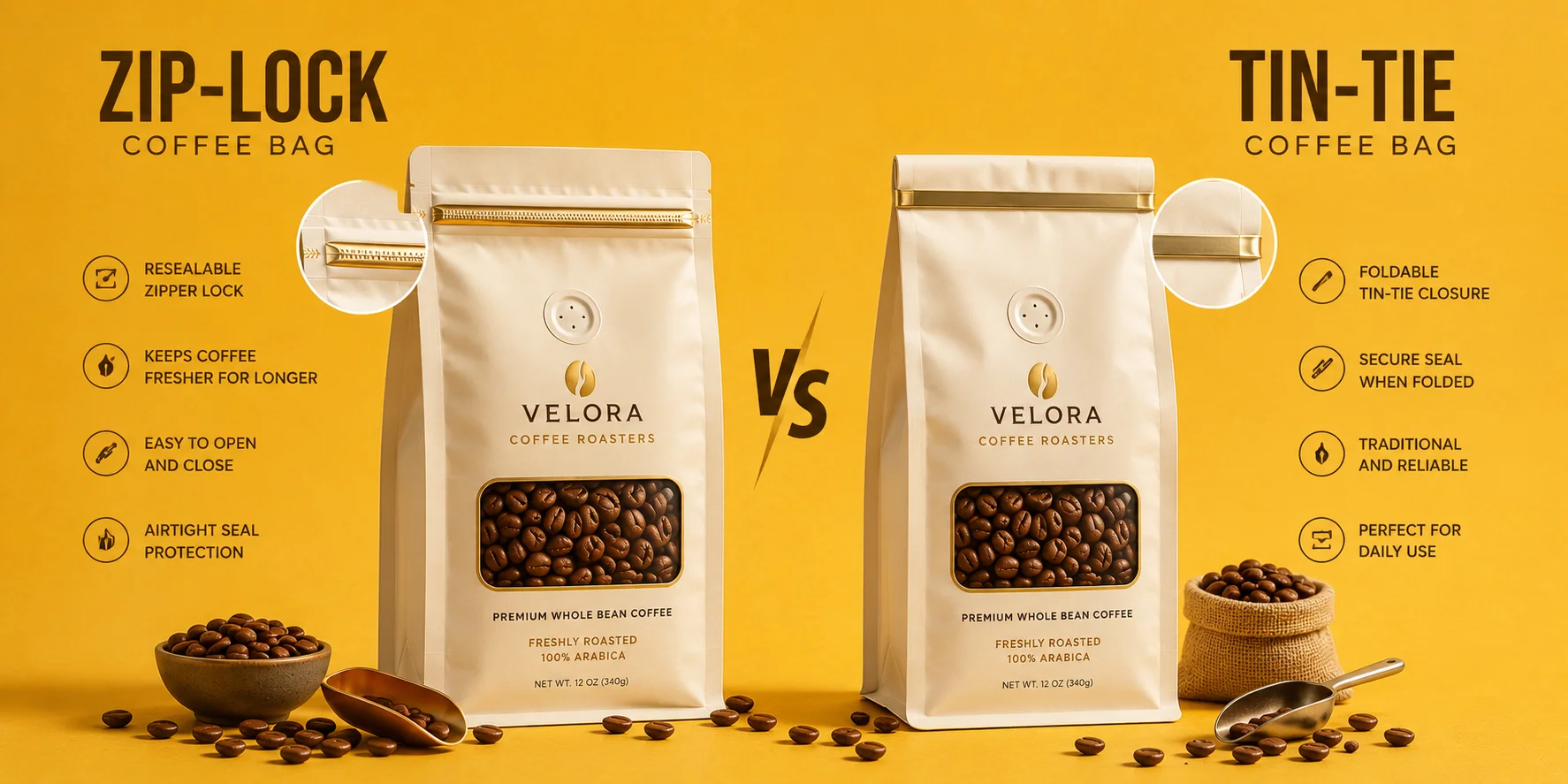
Zip-Lock Coffee Bags
Zipper closure of the coffee packaging minimises the chances of oxygen entrance if the coffee pouch is closed immediately after the use. These air-tight zip-lock coffee bags are made up of aluminum foil which seals the bag tightly after every use. They are resealable, reusable and most efficient in slowing down the staling process of coffee.
Tin-Tie Coffee Bags
Although it has been proven time and time that Tin-Tie Coffee Bags aren’t as airtight as zip-lock coffee bags, they still provide great protection for short-term preservation of coffee beans. However, tin-tie coffee bags are more convenient as the tin-tie on coffee bags can be easily moved.
Seal Strength and Integrity Of Coffee Packaging
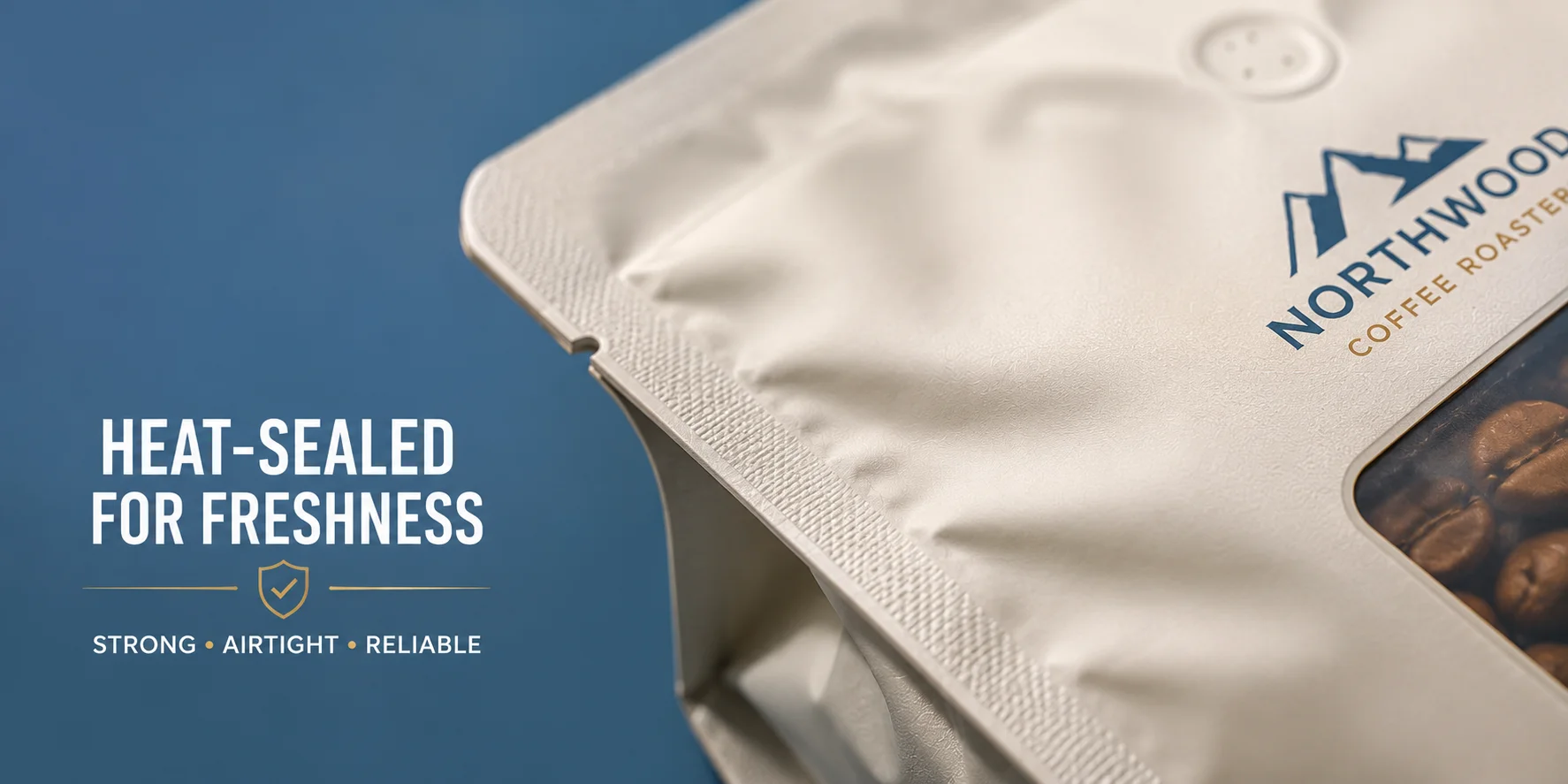
The best quality coffee and the best quality coffee packaging material will be unsuccessful if the seal of the coffee bag is weak. If the seal isn’t strong enough, air will pass through it resulting in impacting the texture and flavor of the coffee. Hence, all coffee brands and businesses who care about their coffee quality and brand image use heat sealing techniques. It creates an airtight barrier which is very useful for coffee packaging that has to travel long transit or sit in the storage shelves for longer periods.
Temper Evident Features
All the premium coffee brands incorporate temper evident features into their coffee packaging to maintain product integrity. Temper evident features on coffee pouches guarantee that coffee is fresh, pristine, unopened thus creating brand trust, transparency and more sales.
Die-Cut Windows To Preview The Coffee
For brands who want to attract their target audience by giving product visibility, Die-cut windows are great options. They allow the customers to see coffee present inside the package without touching it. The size and shape of die-cut windows can be customised depending upon the coffee bag size, and brand personality. However, in order to preserve the authentic taste of coffee, these die-cut window films or panels should be placed strategically and prepared using high-quality films so the flavor doesn’t get compromised.
Combine These Components Together For Coffee’s Freshness Retention
It is noteworthy that any of these components alone cannot preserve the quality and taste of coffee. If brands want to enhance the shelf-life of coffee, it is necessary to integrate multiple elements together to achieve the best results. An ideal and high-end coffee packaging is usually prepared using following features:
One way degassing valve
Multi-layered films for barrier performance
Airtight and reliable seals
Resealable closure for multi-usage
Barrier against sunlight and extreme temperature
Right Bag Format and design
All these components work together to deliver factory standard coffee. Neglecting one can cause the coffee to stall and overall weaken coffee taste.